Now Reading: Buju Banton Questions the Future of Reggae: “Who Will Come After Me?”
-
01
Buju Banton Questions the Future of Reggae: “Who Will Come After Me?”
Buju Banton Questions the Future of Reggae: “Who Will Come After Me?”

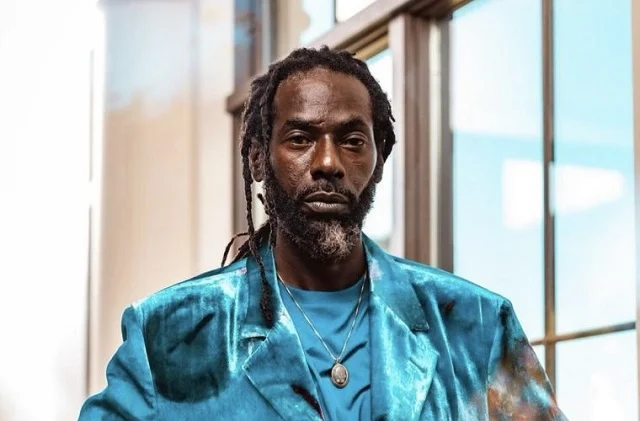
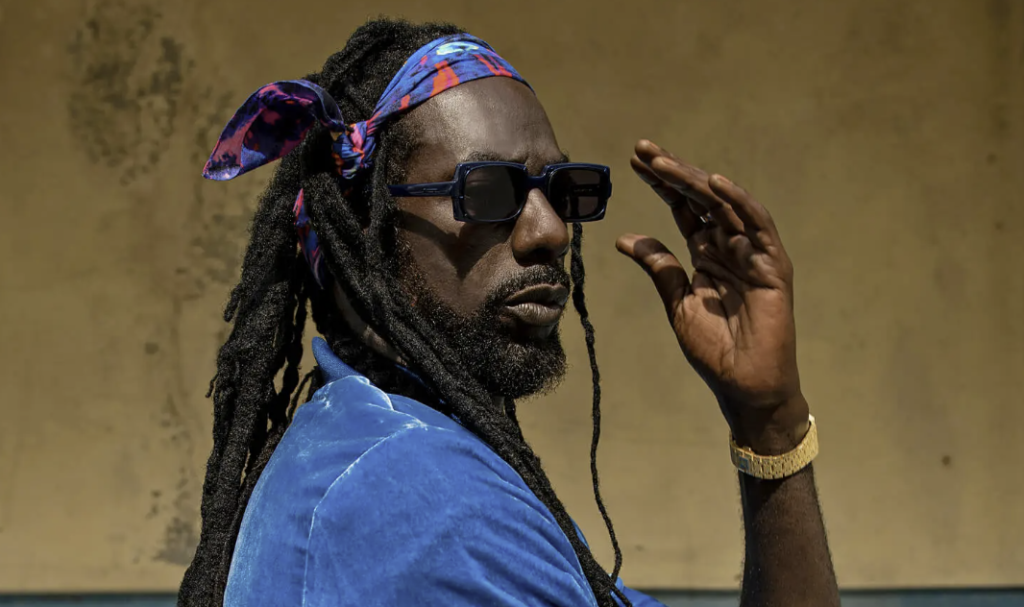
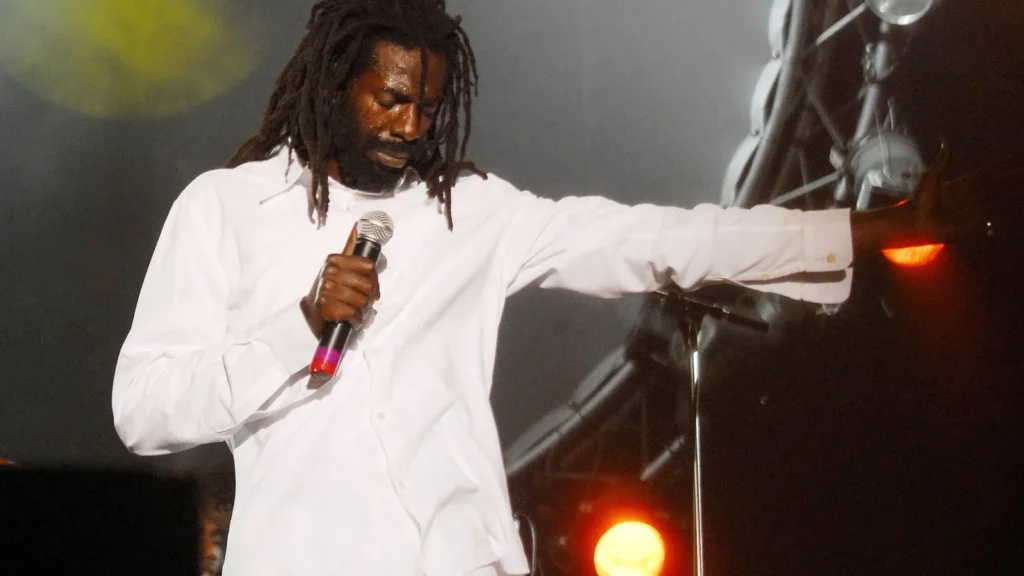
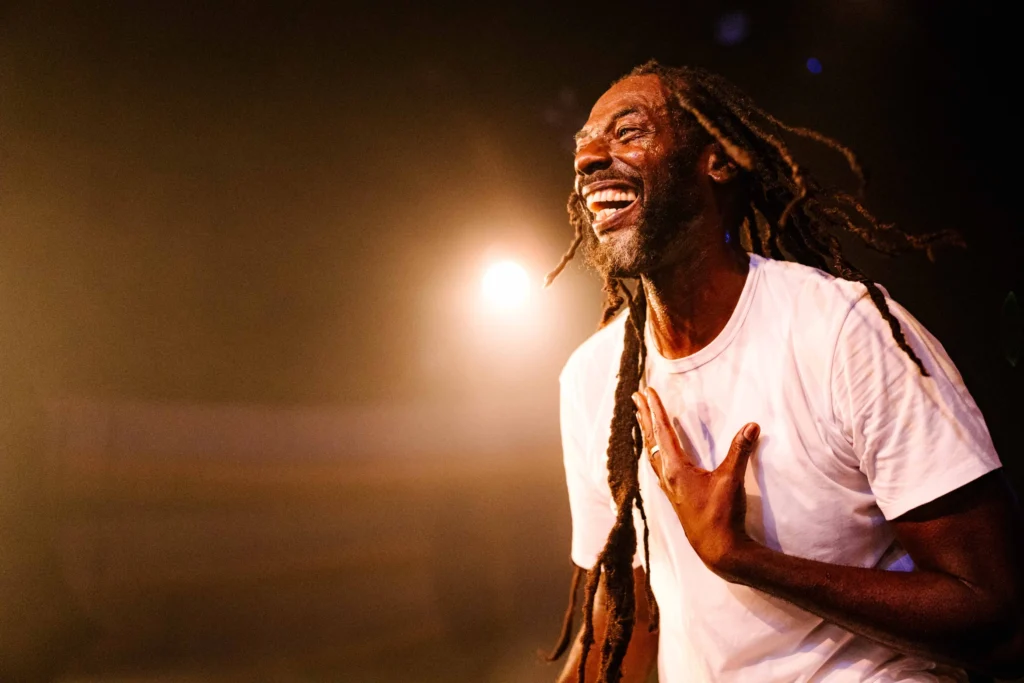
For more than three decades, Buju Banton has stood as one of the most powerful pillars of Jamaican culture. Furthermore, his contribution to the global Buju Banton reggae legacy has shaped how generations listen to conscious music. From roots reggae anthems to hard-hitting dancehall hits, the Grammy-winning icon has consistently challenged listeners to think far beyond the beat. During a candid recent interview, Buju delivered a heartfelt message regarding purpose, accountability, and the uncertain horizon facing modern Caribbean music.
When interviewers asked who would carry the torch after him, Buju chose not to name individual rising stars. Instead, he offered a deeply reflective perspective on the true spiritual responsibility of musicians in today’s fast-moving industry.
“After me, I don’t know who you’re gonna get, because this thing is messed up right now.”
Music as a Healing Tool Rather Than Mere Entertainment
In his reflection, Buju made a clear distinction between fame and purpose. Specifically, he expressed hope that new artists will emerge with the capacity to guide, educate, and comfort listeners. In his view, true music must do more than simply entertain; it must heal.
Consequently, great musicians carry an unspoken obligation. They help audiences navigate emotional, social, and mental hardships, serving as beacons of light during dark times.
A Career Defined by Decades of Service
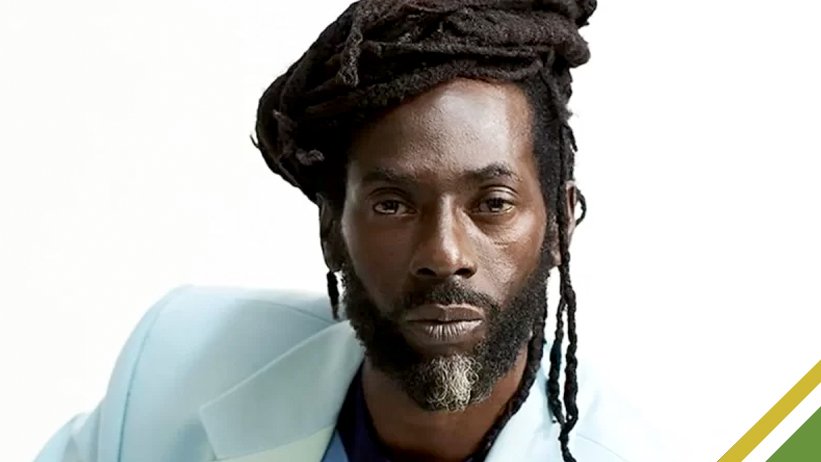
Reflecting on his journey, Buju emphasized that he has been actively serving audiences from Kingston, Jamaica to international stages since he was just 16 years old.
However, he openly acknowledged that every artist’s season eventually evolves. Rather than clinging tightly to center stage, Buju spoke via social media about making space for upcoming voices.
“I’ve been here since I was 16 years old. I need to make room for other individuals to come on the scene to do what God asks them to do.”
This statement was not a formal retirement declaration. Instead, it was an honest acceptance that every generation must prepare to pass the mantle forward.
“The Last of the Mohicans” Declaration
Perhaps the most defining moment of the interview came when Buju delivered a bold, unforgettable declaration about his place in music history.
“If that doesn’t happen, know that I was the last of the Mohicans.”
This powerful statement immediately sparked lively debate among reggae and dancehall fans worldwide. While some view it as a critique of modern streaming culture, others interpret it as a direct challenge to younger creators.
Ultimately, Buju’s primary concern remains clear: Will future musicians create songs with lasting cultural substance, or will social media trends replace meaningful artistic expression?
Looking Beyond Streaming Charts and Social Media Trends
Throughout his legendary career, Buju Banton has championed themes of spiritual growth, resilience, social justice, and African identity. Therefore, his latest interview reminds artists that music should build long-term heritage rather than quick digital metrics.
He continues to pray for voices that can connect deeply with both the mind and the heart of the listener.
A Final Message to Global Fans: “Remember Who You Are”
As the conversation concluded, Buju shared an affectionate message with his worldwide fan base. He reassured supporters that regardless of where his artistic path leads next, his love for the people remains unchanged.
His parting words were simple yet profoundly inspiring:
“Remember who you are.”
Indeed, this principle has guided Buju Banton’s career from the beginning—a timeless reminder that self-awareness, identity, and divine purpose remain life’s greatest anchors.
An Enduring Reggae Legacy
In conclusion, Buju Banton’s impact on Jamaican music and global reggae culture remains immeasurable. His expansive discography has inspired millions across generations, proving that music can serve as a catalyst for truth and social upliftment.
As reggae transitions into a new digital era, the central question is no longer just who will succeed Buju Banton. Instead, the ultimate question is whether the next generation is prepared to carry the heavy responsibility that comes with the microphone.