Now Reading: Farewell, Mighty Sparrow: Remembering the Calypso King of the World
-
01
Farewell, Mighty Sparrow: Remembering the Calypso King of the World
Farewell, Mighty Sparrow: Remembering the Calypso King of the World

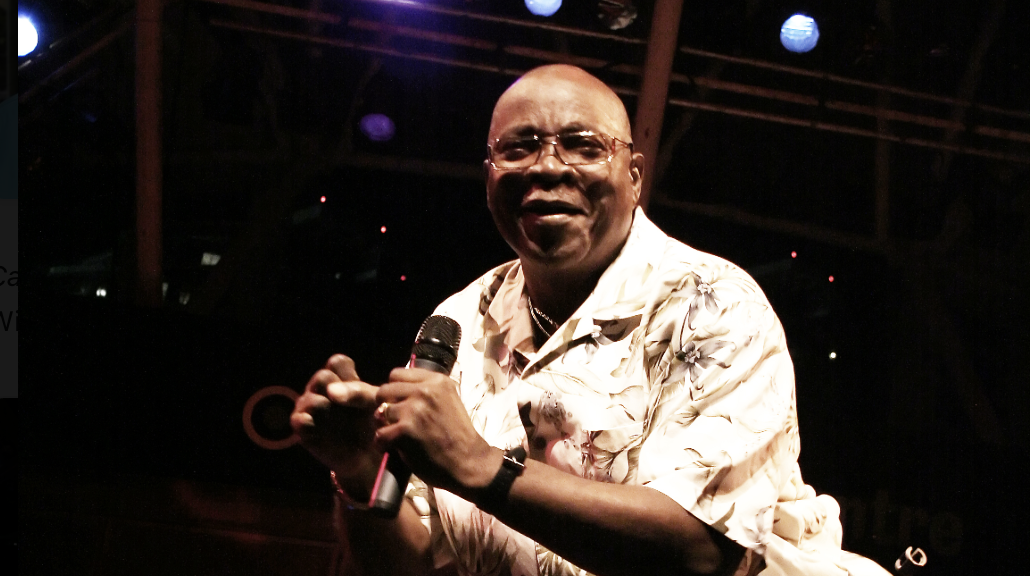
Farewell, Mighty Sparrow: Remembering the Calypso King of the World
The Caribbean has lost one of its most unforgettable voices. Slinger Francisco, known around the world as The Mighty Sparrow, died peacefully in New York on September 27, surrounded by his family following a brief illness. He was 91. His passing brings a remarkable life to a close, leaving generations of listeners with songs that made them laugh, dance, think and take pride in their culture.
For those who knew his music, the title “Calypso King of the World” carried real meaning. Sparrow could turn a performance into a conversation with an entire audience. His humour invited people in; his sharp observations gave them something to carry home.
Born on July 9, 1935, in Grand Roy, Grenada, Sparrow moved to Trinidad as a young child. There, he developed the voice and stage presence that would help make him one of Caribbean music’s defining figures. His breakthrough came in 1956, when he won both the Calypso King and Carnival Road March titles, beginning a career that would span more than seven decades.
His celebrated catalogue included “Jean and Dinah,” “Dan Is the Man,” “Melda (Obeah Wedding)” and “Saltfish.” Together, these songs offer a glimpse of his range: playful, provocative and always attentive to the possibilities of a memorable story.
Sparrow’s work drew on politics, relationships, social tensions and everyday Caribbean life. He understood how much a song could hold. A catchy melody could carry an argument. A joke could expose a contradiction. A familiar situation could become a story that travelled far beyond the place where it began. His music helped bring calypso and Caribbean experiences to international audiences.
The honours reflect the scale of his achievement. Sparrow won Trinidad and Tobago’s Calypso King or Monarch title eight times and its Carnival Road March competition eight times. Yet the deeper measure of his success lies in the life of the songs themselves—in listeners returning to them, sharing them and finding something worth remembering.
His passing has also prompted recognition beyond Trinidad and Tobago. In its condolence statement, the Bahamas Ministry of Foreign Affairs recalled his memorable performances and his contribution to taking calypso to the world. It also noted his receipt of the Order of the Caribbean Community in 2001. Such tributes speak to an artist whose importance crossed national borders.
Behind the celebrated performer was a family mourning someone they loved. Their announcement remembered his place in their lives as a husband, father, grandfather, great-grandfather, partner and friend. That personal loss deserves space alongside the public celebration of his extraordinary career.
Remembering Sparrow means listening again: to the phrasing, the humour, the confidence and the stories. It means introducing his recordings to someone who has never heard them, and allowing the music to explain why his name mattered so much.
The Mighty Sparrow leaves a lasting invitation to hear the Caribbean in its own voice—with intelligence, irreverence, joy and pride.
Rest peacefully, Sparrow. Thank you for the music.